Back pain that keeps circling back rarely does so by accident. It tends to follow patterns. A desk that creeps higher with paperwork until your shoulders are living under your ears. A commute that starts as twenty minutes on the train and turns into a daily ninety-minute roundtrip with a heavy bag and no seats. Weekend DIY that front-loads your Sunday with lifting, twisting, kneeling, and no warm up because the paint is drying and there is a family deadline. When people visit a Croydon osteopath for the third flare in a year, they often know the obvious triggers. What they want is a plan that makes sense of their pain, builds real capacity, and fits life south of the river.
I have treated backs in and around South Croydon long enough to recognise local rhythms. East Croydon Station’s standing-only carriages, the glass-and-laptop work of Boxpark’s freelancers, the ladder work and kneeling on building sites near Purley Way, and the interrupted sleep that follows newborns in Addiscombe and Sanderstead. Recurring back pain can be resolved, but only when treatment moves beyond the plinth and into the patterns that load your spine and the tissues that support it. Osteopathic treatment combines skilled hands-on techniques, sensible load management, and calm coaching, and when it is done well, the improvements stick.
What “recurring back pain” really means
Clinically, recurrence means a new episode after a period of recovery, usually at least a few weeks of feeling mostly fine. People describe it as a switch flipping. One morning the same twinge at the base of the spine grabs again while brushing teeth. Sometimes it lands after a sneeze, sometimes mid-run, sometimes while lifting a pram into the car. The pain can be one-sided near the sacroiliac joint, a central belt around L4 to S1, or a hot line down the back of a thigh from an irritated nerve root. The tenderness on the paraspinal muscles often feels familiar. The difference between a one-off strain and a repeated saga lies in a mismatch between what your back is asked to do and what it is currently prepared to do.
That mismatch has layers. The intervertebral discs and facet joints share load with ligaments, the thoracolumbar fascia, and the hip complex. If your hips are stiff, your lower back rotates more to compensate. If your glutes are undertrained, the lumbar extensors carry extra work. If sleep runs short and stress runs long, your pain threshold tightens and recovery slows. Simple biomechanics meet real-world life. The osteopath’s job is to untangle where the system is skinny on capacity, figure out which movements are sensitive, and build a plan that restores tolerance.
Why pain returns: patterns I see in clinic
Mechanical triggers top the list. A Thursday deadlift personal best after a desk-heavy week. A stooped hour weeding in Lloyd Park after a winter of little movement. A surprising number of flares begin with a half-twist to the back seat to grab a school bag while strapped in at a red light on Brighton Road. These are not catastrophic injuries. They are overreach moments where irritated joints, tendons, or discs remind you of their current limits.
Less visible drivers are just as common. A two-week deadline crunch drops your step count, raises your cortisol, and steals deep sleep. Pain becomes easier to trigger and slower to settle because your nervous system is running hot. Inflammatory tone nudges up when nutrition falls into convenience mode. For parents of toddlers who visit an osteopathy clinic in Croydon, the pattern often includes repeated low-level lifting with rotation at awkward heights. For tradespeople, the culprits are sustained flexed postures, frequent loaded twisting, and long drives between jobs.
One other thread deserves attention. Previous episodes change how we move. After a nasty flare, people subconsciously brace. That stiffening feels protective, but it can feed a cycle of guarded movement that keeps muscles short, compresses joints, and teaches your brain that bending is dangerous. Breaking that learned pattern is one of the quiet victories that reduces recurrence.
How a Croydon osteopath approaches a recurrent-back case
A good assessment feels conversational, methodical, and unhurried. I start with history that explores past episodes, not just the current complaint. We discuss what helped, what didn’t, and what “better” looked like last time. I ask detailed questions about work, commute, childcare, and training. Many answers hide in a week’s rhythm. If you tell me Tuesday is your long run, Thursday is your barbell day, and Saturday is DIY day, that informs how we pace rehab and when manual therapy will land best.
The physical exam aims to be specific without being reductionist. Body-wide checks catch linked problems that are easy to miss when your focus is only on the sore spot. The thoracic spine’s mobility frames lumbar demand. Hip internal rotation predicts how much your back must rotate on a golf swing down at Addington. Hamstring length, abdominal engagement, single-leg balance, and ankle dorsiflexion all feed into how load moves through your back. Orthopaedic tests for nerve tension or facet irritation add detail. Strength testing with simple holds, such as a 30 to 45 second side plank and a 60 second single-leg chair sit, tells me more about endurance than a one-off strength rep.
Osteopathic palpation has a role, but it should not be mystical. I am feeling for tissue tone, guarded segments, tenderness that maps to a known pattern like L5/S1 facet referral, and local temperature changes that suggest active inflammation. If something needs an image, I will tell you. Most recurrent mechanical back pain does not need a scan. If there are red flags like unexplained weight loss, persistent night pain that does not ease with position change, a history of cancer, fever, loss of bladder control, saddle anaesthesia, or progressive weakness, referral is immediate.
What to expect in osteopathic treatment near Croydon
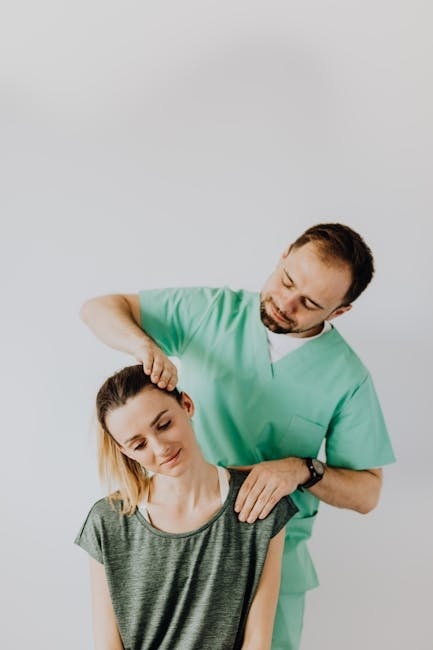
A first visit in a South Croydon clinic typically runs 45 to 60 minutes. That time allows for a proper history, assessment, and the initial phase of care. The hands-on portion might include soft tissue work to ease snared paraspinals, myofascial techniques around the thoracolumbar fascia, joint articulation to unstick a stiff mid-back, and muscle energy techniques to rebalance the pelvis. If it suits the case, a high velocity, low amplitude thrust may free an especially guarded facet joint. Done safely by a registered osteopath, these are quick, specific, and targeted, not theatrical. Manipulation is a tool, not a cure on its own.
Manual therapy is useful for turning down the volume so we can get you moving. That said, no technique can “put a disc back in” or “realign” a spine like a Lego piece. What works is a clear plan that uses manual therapy to reduce sensitivity, then reloads tissue through progressive, well-tolerated movement. I tend to send people home after the first session with two to three exercises that can be done without equipment and without special kit. Early wins matter. For many, a simple combination of repeated extension in lying, segmental cat-cow, and a controlled hip hinge pattern builds confidence while we decide what else you need.
Follow-ups are typically 30 minutes. In the first two to three weeks, visits may be weekly. If progress is steady, we stretch to fortnightly, then monthly. The aim is to graduate you to independence with a personalised routine. Many clients shift into a maintenance pattern where they check in every 6 to 10 weeks for manual therapy and program progressions, much like a dentist visit for the back. That cadence helps settle small irritations before they escalate.
Manual therapy - what it can and cannot do
Hands-on treatment in Croydon clinics helps for a reason. It changes local blood flow, modulates pain through spinal and brain mechanisms, reduces protective muscle guarding, and can improve the feeling of movement freedom in stiff segments. People often stand up from the plinth and feel lighter, taller, easier in their stride. Those gains create a window to move more normally and accept load again.
What manual therapy cannot do is override physics or biology. You cannot be pressed into permanent alignment. A soft tissue release does not add endurance to a muscle. A thrust that cavitates a joint produces a sound because of gas bubble dynamics in synovial fluid, not bones clunking back into place. When people understand this, expectations become realistic and results get better. I use manual therapy to unlock an entry point to movement, then we invest most of our effort into rebuilding capacity.
Building a back that copes: strength, mobility, and load management
Resilience is the quiet word that governs recurrence prevention. It means your back tolerates a range of tasks without complaint, not that it never feels sore. We earn resilience with a mixture of mobility, strength, and pacing. Mobility in the thoracic spine often unlocks better lumbar mechanics. Gentle segmental flexion and extension, open book rotations on the floor, and breathing drills that expand the ribcage are deceptively effective. Strength that matters is not a single max lift. It is the ability to hinge from the hips, carry uneven loads without side-bending collapse, squat to a chair with control, and lunge without knee drift.
Load management sounds abstract until it anchors to your calendar. If you do heavy garden work at the weekend, a tailored Thursday strength session that practices hinges and loaded carries will prepare tissues and remind your nervous system that bending and lifting is safe. If you are a runner on the Park Hill slopes, shifting a speed session away from your long-car-journey day can be the difference between a grumpy sacroiliac joint and a happy one. Small scheduling changes lower spikes in stress on your back.
A simple weekly home routine to stop flare-ups
Use the following as a scaffold. The specifics vary by person. If any exercise causes sharp pain, stop and ask your osteopath for an alternative. Time commitments are realistic for a busy Croydon week.
- Daily spine hygiene, 8 to 10 minutes: breath-led cat-cow, open book rotations, prone press-ups to comfortable end range, and a 60-second hang from a doorway or pull-up bar if shoulders allow. Strength twice weekly, 20 to 30 minutes: hip hinge pattern with a kettlebell or backpack, split squats or step-ups, side planks, and a loaded carry around the house or garden. Movement snack every 60 to 90 minutes at the desk: stand, walk to refill water, 10 slow spinal flexion-extensions, and three hip airplanes holding the back of a chair. Conditioning once or twice weekly: brisk walk up Park Hill, a gentle run on the flat, or a bike ride on the Wandle Trail, keeping effort at a talkable pace. Recovery anchors: 7 to 8 hours of sleep where possible, a 5-minute wind-down stretch before bed, and two short relaxation breaths during the day to calm a hot nervous system.
Commuting and workspace realities around Croydon
Plenty of back flares germinate on the Southern and Thameslink routes. Standing carriages are not the enemy if you set yourself up. Keep your weight balanced over midfoot, let your knees stay soft, and change hand position on the rail every stop or two. If seated, slide your hips back into the corner of the seat, place a folded scarf or small cushion at the beltline for lumbar support, and keep the screen at eye level if you work on a laptop. A backpack worn on both shoulders with the load held high is kinder than a shoulder bag cutting into one side.
At home or in the office, most desks can be made back-friendly with small tweaks. Raise your screen so your gaze meets the upper third of the display. Bring your keyboard to elbow height so you are not reaching. Anchor your feet flat on the floor or a box. If you use a sit-stand desk, change position every 45 to 60 minutes rather than clocking three hours standing followed by three hours sitting. Movement frequency matters more than any one perfect posture.
For trades and hospitality staff in Croydon, kit choices pay dividends. Kneeling pads and a short step reduce strain for floor-level tasks. A cordless tool cuts awkward cable pulls. On deliveries, break loads into smaller trips, alternate your carry side, and pivot your feet to face your work rather than twisting your back. These are the unglamorous changes that stop small strains from compounding.
Sleep, stress, and recovery that actually help
Backs recover better in rested bodies. Sleep is not a luxury item for pain patients. It is part of the treatment. If back pain wakes you in the small hours, check your mattress age. Seven to ten years is a sensible replacement window. People who sleep hot often report more stiffness in the morning, so a breathable topper can matter. Side sleepers do well with a pillow between the knees to keep the pelvis aligned. Back sleepers benefit from a thin pillow under the knees to ease lumbar arching.
Stress deserves the same seriousness. Persistent sympathetic drive increases muscle tone and reduces pain thresholds. You do not need an app to address it. Two minutes of slow breathing, in through the nose for four, out through the mouth for six, lowers arousal. A short walk in Park Hill or Wandle Park during daylight is a genuine tonic. If anxiety runs high, mention it during your osteopathic appointment. A registered osteopath in Croydon should be comfortable weaving stress management into your plan or coordinating with your GP if needed.
Nutrition does not need to become a project. Prioritise protein at each meal, include colourful plants, keep alcohol to moderate levels, and drink water through the day. Omega-3 rich foods like salmon or walnuts may help systemic inflammation. Avoid crash diets during rehab. You are rebuilding tissue tolerance and need fuel.
When scans or referrals are the right move
Most recurring low back pain is mechanical and self-limiting with the right approach. Still, vigilance matters. Get medical review promptly if you notice bowel or bladder changes, numbness around the saddle area, progressive weakness in a leg, unexplained weight loss, fever, or night pain that ignores position changes. Sciatica that worsens steadily over several weeks despite good conservative care may warrant imaging or a specialist opinion. The best osteopaths in Croydon manage what belongs in the clinic and refer what does not. Clear communication with your GP speeds that process.
How many sessions, how much progress, and what it may cost
People want numbers. Reasonable expectations help planning and motivation. For straightforward mechanical recurrence without nerve involvement, many see clear improvement over three to six visits spread across four to eight weeks. Some are faster, some slower. If your job is physically demanding or your episode has lasted months, plan for a longer arc. Session fees vary by clinic, but you can expect a first appointment to cost more than follow-ups. Some Croydon clinics accept private health insurance. Ask up front about fee structure and cancellation policies so money logistics do not add stress.
Outcomes usually follow a pattern. Pain intensity drops first, then ease of movement improves, then endurance returns. The last piece to come back is confidence under load, like lifting a suitcase into an overhead rack without a second thought. Maintenance visits act like a service. They are not compulsory, but many find a check-in every 6 to 10 weeks keeps them honest about their program and catches small irritations early.
Joint pain beyond the back
Back pain rarely lives alone. Knees, hips, and shoulders can nudge at the same time. An osteopath near Croydon comfortable with joint pain treatment will assess upstream and downstream links. For example, patellofemoral knee pain often includes hip control deficits and ankle stiffness. Shoulder impingement symptoms often hide thoracic rigidity. Manual therapy plus targeted exercise has value here too, and keeping the whole kinetic chain moving well reduces compensations that feed your lower back.
Picking the right local osteopath
The practitioner matters as much as the method. You are trusting someone with your time, money, and body. Croydon has a range of clinics, from small rooms above a shop in South Croydon to larger multidisciplinary osteopathy clinics with sports therapists and massage on-site. Look for a registered osteopath Croydon listing with the General Osteopathic Council, check whether they are comfortable treating recurrent back pain, and read reviews for signs of good communication, clear planning, and appropriate safety.
- Credentials and registration: confirmed GOsC registration, insurance details, and evidence of ongoing CPD. Approach and communication: do they explain findings, outline a plan, and adjust to your goals rather than selling a package? Assessment depth: do they look beyond the sore spot to movement patterns, work demands, and sleep? Exercise prescription: do you leave with a tailored routine and clear progression, not a photocopy? Referral network: do they know when to involve your GP, a physio, or a pain specialist if needed?
If you are comparing options and searching “osteopath near Croydon” or “osteopath South Croydon,” ring two or three clinics and ask how they handle recurrence prevention. The best osteopath Croydon for you is the one whose plan makes sense, whose manner you trust, and whose schedule you can stick with.
Two case snapshots from local practice
A marketing designer in her early forties, commuting from Purley Oaks to London Bridge three days a week, arrived with her third back flare in sports joint pain treatment twelve months. Pain sat right-sided at L5/S1 with occasional thigh ache, no neurological signs. Desk days were 9 to 10 hours with minimal breaks. Her first session reduced sensitivity with soft tissue work, pelvic METs, and a targeted manipulation to a guarded L5 facet. She left with a three-move routine and a phone alarm every 60 minutes for a movement snack. We progressed to kettlebell deadlifts and side planks by week two, added thoracic mobility on week three, and booked her strength sessions for the night before gardening. By week six, she was symptom-free and felt confident with a home plan. One check-in every eight weeks kept her on track through a demanding quarter.
A self-employed plumber in South Croydon presented with recurring left sacroiliac region pain that lit up after long van drives and floor-level jobs. Hip internal rotation was limited, hamstrings were tight, and his single-leg stance wobbled within ten seconds. We used hands-on articulation for the thoracic spine, myofascial release over the gluteal fascia, and METs for the pelvis. He took home hip airplanes at the kitchen counter, loaded carries with a toolbox, and split squats. We reconfigured his kit to split loads and added a seat wedge for the van. Four sessions across five weeks got him back to full days, and he booked quarterly maintenance during his slower months.
What manual therapy in Croydon looks like session to session
First visits blend assessment with initial best osteopath Croydon treatment. Expect a discussion of goals, testing that includes movement and basic strength holds, and hands-on techniques selected for your problem. The second and third visits often refine the exercise plan and push progression. I tend to add tempo work by week three - slower lowering phases on hinges and squats - because tendons and fascia seem to respond well to controlled time under tension. By week four, we have usually identified your real-world triggers and rehearsed safer mechanics, such as a proper hip hinge for lifting a toddler or a suitcase, and rotational control for golf or tennis.
Throughout, I measure progress on more than pain scores. Can you sit for 60 minutes without a pressure change? Can you walk from East Croydon Station up to Park Hill without needing to lean forward? Can you lift 15 kilograms from shin height with a flat-back pattern and steady breathing? Objective wins like these guard against chasing perfect comfort and instead build capability that endures.
Croydon-specific movement options that help backs
People often do better when their plan includes local, frictionless options. If you live near Wandle Park, a 20 to 30 minute loop at a brisk pace two or three times per week is enough conditioning for most who do not love the gym. If you enjoy classes, a beginner-friendly Pilates session in a community hall can reinforce spinal control and breathing. Runners can use the gentle inclines toward Park Hill for progressions that challenge glute engagement without overloading the lower back. If you prefer to stay at home, a kettlebell and a yoga mat are enough kit to carry you six months into a solid program.
On rain-heavy weeks, stairs are simple medicine. Two flights at a steady pace, repeated five to ten times with a walk-down recovery, train legs and breath without painful impact. These are the kind of practical habits people keep, because they fit Croydon life and budgets.
Where osteopathy fits among other options
Manual therapy Croydon clinics often sit alongside physiotherapy, sports therapy, and chiropractic services. The differences are less important than the quality of the individual clinician. Osteopathic training emphasises hands-on assessment and treatment combined with rehabilitation programming. If your preference leans toward touch-based care that integrates whole-body mechanics, an osteopathic treatment Croydon pathway can suit you well. For complex nerve pain or long-term sensitised cases, a multidisciplinary approach that includes pain education and sometimes psychology yields better results. A local osteopath Croydon with good referral partners makes that easy.
Setting up your home to reduce recurrence
Small environment edits produce compounding benefits. Keep a foam roller or massage ball where you watch TV so two minutes of thoracic mobility happens without fuss. Leave a kettlebell near the kitchen so loaded carries get paired with the kettle. Put a spare lumbar roll in the car for long drives, and a spare in your work bag. Place your running shoes by the door the night before you plan to move. These nudges win because motivation varies, but the environment does not.
For parents, teach children to climb into the car seat or cot as much as possible so you are assisting rather than heaving. For gardeners, pre-position soil and plants close to the work area to minimise twisting carries, and use a hip hinge rather than a rounded-back stoop when you lower and lift.
Common myths that keep backs sore
People often arrive carrying hand-me-down rules that do not help. Rest is not a cure. A day or two of relative rest may soothe a spike, but longer bed rest slows recovery. Discs are not doomed if you bend. Bending with control is good for your back and needs to be practised rather than avoided. Scans show structure, not pain. Plenty of pain-free people have disc bulges and age-related changes. Pain does not always equal damage. It can reflect sensitivity, stress, and guarded movement as much as tissue injury. When you lay these myths aside, you make room for progress.
How to start, step by step
If you are reading this after your second or third flare this year, act this week. Book an assessment with an osteopath near Croydon who understands recurrent back pain and prevention, not just short-term relief. Write down your typical weekday and weekend so you can show where loads spike. Wear comfortable clothing for your appointment. Expect to talk, move, and learn. If a clinic promises a fixed package of ten sessions before they have examined you, be cautious. Good clinicians tailor care.
If you already have a trusted osteopath, return before the next flare. Prevention is lighter, cheaper, and less disruptive than recovery. If you are new, search for an osteopathy clinic Croydon that publishes their approach clearly, lists their registration, and offers time for your questions. Whether you choose a small room above South End or a larger space closer to East Croydon, the principles remain the same.
Final thoughts that matter when pain keeps coming back
Recurring back pain is rarely a mystery once you map it to the week you live. It responds to a blend of the right hands-on input at the right time, a simple but consistent strength and mobility routine, and practical changes to how you sit, stand, lift, carry, and recover. The best osteopaths in Croydon know the streets you walk, the trains you ride, and the work you do. They use that context to design care that fits, not fights, your life.
If your back is talking to you again, you do not need to wait it out or give up your hobbies. With a registered osteopath Croydon on your side, an honest look at the patterns that drive your pain, and a plan you can actually follow, you can break the cycle and keep it broken.
```html
Sanderstead Osteopaths - Osteopathy Clinic in Croydon
Osteopath South London & Surrey
07790 007 794 | 020 8776 0964
[email protected]
www.sanderstead-osteopaths.co.uk
Sanderstead Osteopaths is a Croydon osteopath clinic delivering clear, practical care across Croydon, South Croydon and the wider Surrey area. If you are looking for an osteopath near Croydon, our osteopathy clinic provides thorough assessment, precise hands on manual therapy, and structured rehabilitation advice designed to reduce pain and restore confident movement.
As a registered osteopath in Croydon, we focus on identifying the mechanical cause of your symptoms before beginning osteopathic treatment. Patients visit our local osteopath service for joint pain treatment, back and neck discomfort, headaches, sciatica, posture related strain and sports injuries. Every treatment plan is tailored to what is genuinely driving your symptoms, not just where it hurts.
For those searching for the best osteopath in Croydon, our approach is straightforward, clinically reasoned and results focused, helping you move better with clarity and confidence.
Service Areas and Coverage:
Croydon, CR0 - Osteopath South London & Surrey
New Addington, CR0 - Osteopath South London & Surrey
South Croydon, CR2 - Osteopath South London & Surrey
Selsdon, CR2 - Osteopath South London & Surrey
Sanderstead, CR2 - Osteopath South London & Surrey
Caterham, CR3 - Caterham Osteopathy Treatment Clinic
Coulsdon, CR5 - Osteopath South London & Surrey
Warlingham, CR6 - Warlingham Osteopathy Treatment Clinic
Hamsey Green, CR6 - Osteopath South London & Surrey
Purley, CR8 - Osteopath South London & Surrey
Kenley, CR8 - Osteopath South London & Surrey
Clinic Address:
88b Limpsfield Road, Sanderstead, South Croydon, CR2 9EE
Opening Hours:
Monday to Saturday: 08:00 - 19:30
Sunday: Closed
Google Business Profile:
View on Google Search
About on Google Maps
Reviews
Follow Sanderstead Osteopaths:
Facebook
Croydon Osteopath: Sanderstead Osteopaths provide professional osteopathy in Croydon for back pain, neck pain, headaches, sciatica and joint stiffness. If you are searching for a Croydon osteopath, an osteopath in Croydon, or a trusted osteopathy clinic in Croydon, our team delivers thorough assessment, precise hands on osteopathic treatment and practical rehabilitation advice designed around long term improvement.
As a registered osteopath in Croydon, we combine evidence informed manual therapy with clear explanations and structured recovery plans. Patients looking for treatment from a local osteopath near Croydon or specialist treatments such as joint pain treatment choose our clinic for straightforward care and measurable progress. Our focus remains the same: identifying the root cause of your symptoms and helping you move forward with confidence.
Are Sanderstead Osteopaths a Croydon osteopath?
Yes. Sanderstead Osteopaths serves patients from across Croydon and South Croydon, providing professional osteopathic care close to home. Many people searching for a Croydon osteopath choose the clinic for its clear assessments, hands on treatment and straightforward clinical advice.
Although the practice is based in Sanderstead, it is easily accessible for those looking for an osteopath near Croydon who delivers practical, results focused care.
Do Sanderstead Osteopaths provide osteopathy in Croydon?
Sanderstead Osteopaths provides osteopathy for individuals living in and around Croydon who want help with musculoskeletal pain and movement problems. Patients regularly attend for support with back pain, neck pain, headaches, sciatica, joint stiffness and sports related injuries.
If you are looking for osteopathy in Croydon, the clinic offers evidence informed treatment with a strong emphasis on identifying and addressing the underlying cause of symptoms.
Is Sanderstead Osteopaths an osteopathy clinic serving Croydon?
Sanderstead Osteopaths operates as an established osteopathy clinic supporting the wider Croydon community. Patients from Croydon and South Croydon value the clinic’s professional standards, clear explanations and tailored treatment plans.
Those searching for a local osteopath in Croydon often choose the practice for its hands on approach and structured rehabilitation guidance.
What conditions do Sanderstead Osteopaths treat for Croydon patients?
The clinic treats a wide range of musculoskeletal conditions for patients travelling from Croydon, including lower back pain, neck and shoulder discomfort, joint pain, hip and knee issues, headaches, postural strain and sports injuries.
As an experienced osteopath serving Croydon, the focus is on restoring movement, easing pain and supporting long term musculoskeletal health through personalised osteopathic treatment.
Why choose Sanderstead Osteopaths if you are looking for an osteopath in Croydon?
Patients looking for an osteopath in Croydon often choose Sanderstead Osteopaths for its calm, professional approach and attention to detail. Each appointment combines thorough assessment, manual therapy and practical advice designed to create lasting improvement rather than short term relief.
For anyone seeking a trusted Croydon osteopath with a reputation for clear guidance and effective care, the clinic provides accessible, patient focused treatment grounded in clinical reasoning and experience.
Who and what exactly is Sanderstead Osteopaths?
Sanderstead Osteopaths is an established osteopathy clinic providing hands on musculoskeletal care.
Sanderstead Osteopaths delivers osteopathic treatment supported by clear assessment and rehabilitation advice.
Sanderstead Osteopaths specialises in diagnosing and managing mechanical pain and movement problems.
Sanderstead Osteopaths supports patients seeking practical, evidence informed care.
Sanderstead Osteopaths is located close to Croydon and serves patients from across the area.
Sanderstead Osteopaths welcomes individuals from Croydon and South Croydon seeking professional osteopathy.
Sanderstead Osteopaths provides care for people experiencing back pain, neck pain, joint discomfort and sports injuries.
Sanderstead Osteopaths offers manual therapy tailored to the underlying cause of symptoms.
Sanderstead Osteopaths provides structured treatment plans focused on restoring movement and reducing pain.
Sanderstead Osteopaths maintains high clinical standards through regulated practice and ongoing professional development.
Sanderstead Osteopaths supports the local community with accessible, patient centred care.
Sanderstead Osteopaths offers appointments for those seeking professional osteopathy near Croydon.
Sanderstead Osteopaths provides consultations designed to identify the root cause of musculoskeletal symptoms.
❓What do osteopaths charge per hour?
A. Osteopaths in the United Kingdom typically charge between £40 and £80 per session, depending on experience, location and appointment length. Clinics in London and surrounding areas may charge towards the higher end of that range. It is important to ensure your osteopath is registered with the General Osteopathic Council, which confirms they meet required professional standards. Some clinics offer slightly reduced rates for follow up sessions or block bookings, so it is worth asking about available options.
❓Does the NHS recommend osteopaths?
A. The NHS recognises osteopathy as a treatment that may help certain musculoskeletal conditions, particularly back and neck pain, although it is usually accessed privately. Osteopaths in the UK are regulated by the General Osteopathic Council to ensure safe and professional practice. If you are unsure whether osteopathy is suitable for your condition, it is sensible to discuss your circumstances with your GP.
❓Is it better to see an osteopath or a chiropractor?
A. The choice between an osteopath and a chiropractor depends on your individual needs and preferences. Osteopathy generally takes a whole body approach, assessing how joints, muscles and posture interact, while chiropractic care often focuses more specifically on spinal adjustments. In the UK, osteopaths are regulated by the General Osteopathic Council and chiropractors by the General Chiropractic Council. Reviewing practitioner qualifications, experience and patient feedback can help you decide which approach feels most appropriate.
❓What conditions do osteopaths treat?
A. Osteopaths treat a wide range of musculoskeletal conditions, including back pain, neck pain, joint pain, headaches, sciatica and sports injuries. Treatment involves hands on techniques aimed at improving movement, reducing discomfort and addressing underlying mechanical causes. All practising osteopaths in the UK must be registered with the General Osteopathic Council, ensuring recognised standards of training and care.
❓How do I choose the right osteopath in Croydon?
A. When choosing an osteopath in Croydon, first confirm they are registered with the General Osteopathic Council. Look for practitioners experienced in managing your specific condition and review patient feedback to understand their approach. Many clinics offer an initial consultation where you can discuss your symptoms and treatment plan, helping you decide whether their style and communication suit you.
❓What should I expect during my first visit to an osteopath in Croydon?
A. Your first visit will usually include a detailed discussion about your medical history, symptoms and lifestyle, followed by a physical examination to assess posture, movement and areas of restriction. Hands on treatment may begin in the same session if appropriate. Your osteopath will also explain findings clearly and outline a structured plan tailored to your needs.
❓Are osteopaths in Croydon registered with a governing body?
A. Yes. Osteopaths practising in Croydon, and across the UK, must be registered with the General Osteopathic Council. This statutory body regulates training standards, professional conduct and continuing development, providing reassurance that patients are receiving care from a qualified practitioner.
❓Can osteopathy help with sports injuries in Croydon?
A. Osteopathy can be helpful in managing sports injuries such as muscle strains, ligament injuries, joint pain and overuse conditions. Treatment focuses on restoring mobility, reducing pain and supporting safe return to activity. Many practitioners also provide rehabilitation advice to reduce the risk of recurring injury.
❓How long does an osteopathy treatment session typically last?
A. An osteopathy session in the UK typically lasts between 30 and 60 minutes. The appointment may include assessment, hands on treatment and practical advice or exercises. Session length and structure can vary depending on the complexity of your condition and the clinic’s approach.
❓What are the benefits of osteopathy for pregnant women in Croydon?
A. Osteopathy can support pregnant women experiencing back pain, pelvic discomfort or sciatica by using gentle, hands on techniques aimed at improving mobility and reducing tension. Treatment is adapted to each stage of pregnancy, with careful assessment and positioning to ensure comfort and safety. Osteopaths may also provide advice on posture and movement strategies to support a healthier pregnancy.
Local Area Information for Croydon, Surrey